
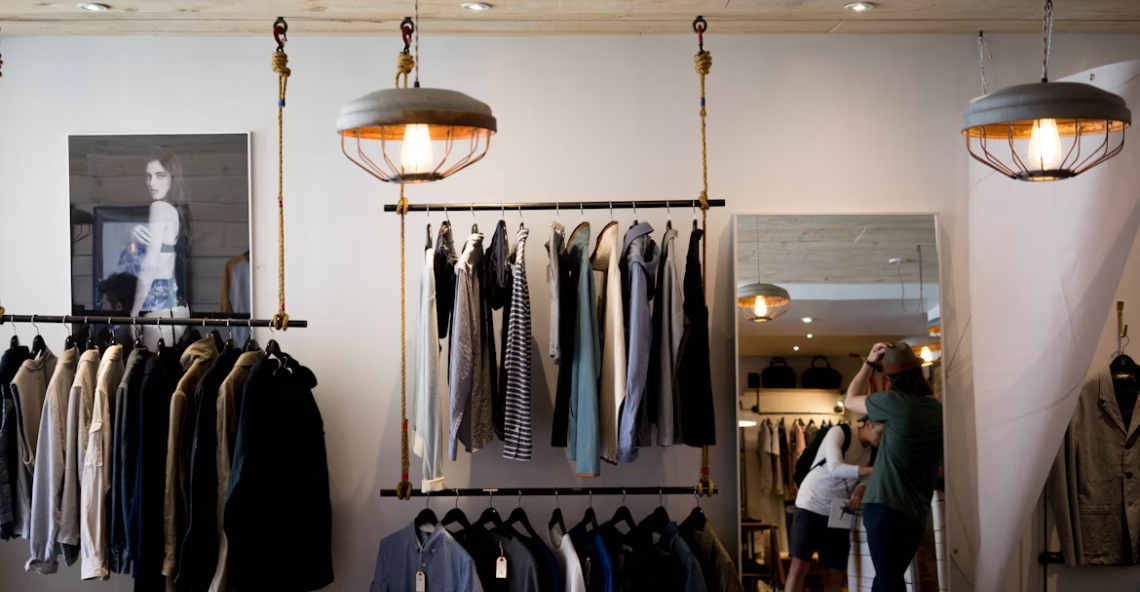
How has demand for basic clothing changed: from mass-market to premium segment
Basic clothing has moved from being a dull necessity to becoming a strategic wardrobe foundation for millions of consumers. T-shirts, hoodies, jeans, and shirts have turned into universal pieces that easily fit into different styles and appeal to diverse audiences. In times of economic uncertainty and growing interest in rational consumption, essentials are showing the most stable demand. Since the early 2020s, the share of basic clothing in brand collections has steadily grown, while premium labels are increasingly shifting toward minimalism and high-quality materials. In 2025, demand for basic items continues to rise across both the mass-market and luxury segments. This article explores how consumer preferences have changed and how brands are adapting to the new reality.
1. The role of basic clothing in today's wardrobe
Basic items have become the cornerstone of modern wardrobes. They are versatile, durable, and easy to combine with trendy pieces.
Their importance lies in:
- Versatility - suitable for office, leisure, and everyday wear;
- Durability - quality fabrics extend the life of products;
- Easy combinations - essentials form the basis of capsule wardrobes;
- Cost-effectiveness - fewer items, more outfit options.
These advantages explain the growing demand in both the mass-market and luxury sectors.
2. Mass-market trends
In the mass segment, basics have become a sales driver. Retailers focus on affordability and functionality, offering a broad assortment at competitive prices.
Key changes include:
- Rising popularity of oversize silhouettes;
- Strong demand for T-shirts, hoodies, and joggers;
- Emphasis on neutral, universal colors;
- Introduction of budget-friendly sustainable lines.
Buyers note that essentials are what keep customers engaged when trend-driven collections quickly lose relevance.
3. Basic clothing in the premium segment
Once associated only with the mass market, essentials are now increasingly embraced by premium brands. The focus here is on material quality and minimalist design rather than affordability.
Defining features of the premium segment:
- Use of organic cotton, cashmere, and high-tech fabrics;
- Attention to detail in tailoring and finishing;
- Limited collections with high margins;
- Positioning basics as wardrobe investments.
In luxury, essentials are becoming as desirable as accessories or outerwear.
4. Factors driving the shift in demand
Consumer behavior is shaped by several objective factors that set new market standards.
Main drivers:
- Economy - rising prices push customers to choose versatile items over fast trends;
- Sustainability - demand for eco-friendly materials and reduced overconsumption;
- Digitalization - online marketplaces and social media accelerate the popularity of essentials;
- Comfort - demand for clothing suitable both for remote work and the office.
For brands, this means rethinking strategies and adjusting assortments.
5. Mistakes brands and retailers make with essentials
Despite stable growth, not all companies manage basics correctly. Missteps often lead to lost opportunities and reduced customer loyalty.
Common mistakes include:
- Neglecting fabric quality;
- Copying competitors instead of developing unique concepts;
- Offering limited size ranges and fits;
- Ignoring sustainability requirements and certifications.
Ignoring these aspects can cost brands their competitive edge, even in this strong segment.
How MIX TRADING LIMITED helps businesses adapt
At MIX TRADING LIMITED, we don't just supply basic clothing, we help our partners navigate the shift in consumer demand. Our collections of essentials are carefully curated to reflect both mass-market and premium expectations.
Here's what makes us different:
- We provide basics tailored to different segments - from affordable everyday items to premium-quality essentials;
- Our partners gain access to certified fabrics and sustainable production lines that meet 2025 market standards;
- We regularly update assortments in line with consumer trends, ensuring relevance for retailers;
- Our flexible cooperation model allows clients to test new categories without excessive risk.
By working with us, brands and retailers get more than a supplier, they gain a strategic partner that ensures their basic collections remain competitive and profitable in the years ahead.




Share your opinion
We’d love to hear your opinion on the topic. Your comment helps other readers and gives us valuable feedback to improve our content. Feel free to ask questions, share your ideas, or tell us about your experience — we’re always open to conversation!