
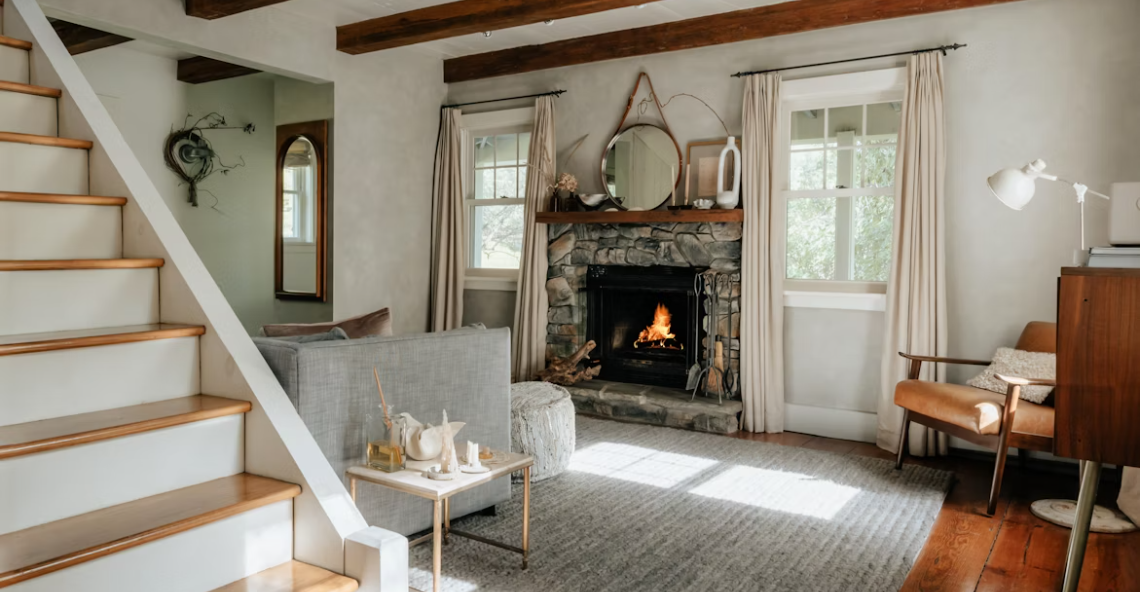
Interior textiles: how to choose and what will be popular in 2025
Interior textiles play a key role in shaping the atmosphere and style of any space - from private homes to hotels and restaurants. They not only decorate a room but also affect its functionality, acoustics, and comfort. Choosing the right fabrics is especially important in light of changing design trends and growing demand for sustainability and durability. In 2025, natural textures, eco-friendly solutions, and the balance between practicality and aesthetics take center stage. This article explores how to select interior textiles properly and which trends will define the market in the coming years.
1. The role of textiles in interior design
Textiles are not just decorative elements; they are powerful tools that shape how a space is perceived. They help finalize the design concept and set the desired mood.
The importance of textiles in interiors includes:
- creating warmth and coziness;
- adjusting acoustics and lighting;
- zoning spaces through curtains, rugs, or dividers;
- supporting the overall design concept.
The right fabric choice can completely transform a room without major renovations.
2. Criteria for choosing interior textiles
When selecting materials, it is essential to evaluate not only their appearance but also their practical properties. Poor choices can lead to rapid wear or visual inconsistency with the interior.
Key criteria to assess:
- Density and durability - critical for upholstery and carpets;
- Composition - natural fabrics are eco-friendly, synthetics are practical, blends combine both advantages;
- Color and texture - must harmonize with the interior and lighting;
- Maintenance and longevity - fabrics should withstand washing or dry cleaning without losing quality.
A competent selection balances aesthetics with functionality.
3. Key trends for 2025
In 2025, interior textiles continue to move toward sustainability and natural harmony.
Major trends include:
- Natural materials - cotton, linen, wool, and organic variations;
- Eco-friendliness - fabrics certified by OEKO-TEX and GOTS;
- Tactile textures - bouclé, velvet, and rough surfaces;
- Neutral and warm tones - beige, gray, terracotta, muted green;
- Multifunctional fabrics - water-repellent, antibacterial, and soundproofing properties.
These trends are relevant both for private homes and for commercial spaces such as cafés and hotels.
4. Common mistakes when choosing textiles
Even experienced designers and buyers sometimes make errors that reduce the impact of interiors and increase costs.
Typical mistakes include:
- selecting fabrics based only on appearance without checking composition;
- overlooking functional requirements (e.g., UV protection for curtains);
- purchasing low-cost, uncertified materials;
- underestimating durability and maintenance requirements.
To avoid these issues, it is crucial to balance aesthetics with practicality and always verify suppliers.
How MIX TRADING LIMITED helps create stylish and sustainable interiors
MIX TRADING LIMITED offers interior textiles that meet modern market requirements and design trends. We assist not only in fabric selection but also in building cohesive interior solutions.
Our advantages:
- A wide assortment of fabrics for furniture, curtains, décor, and accessories;
- Materials with international certifications for quality and sustainability;
- Collections tailored to different design concepts, from minimalism to luxury;
- Strong logistics support and reliable delivery schedules;
- Long-term partnerships with architects, designers, and retailers.
By partnering with us, you gain more than a fabric supplier, you gain a strategic ally who helps create interiors that align with the trends of 2025.


Share your opinion
We’d love to hear your opinion on the topic. Your comment helps other readers and gives us valuable feedback to improve our content. Feel free to ask questions, share your ideas, or tell us about your experience — we’re always open to conversation!